


EXPLORE OUR BLOGS
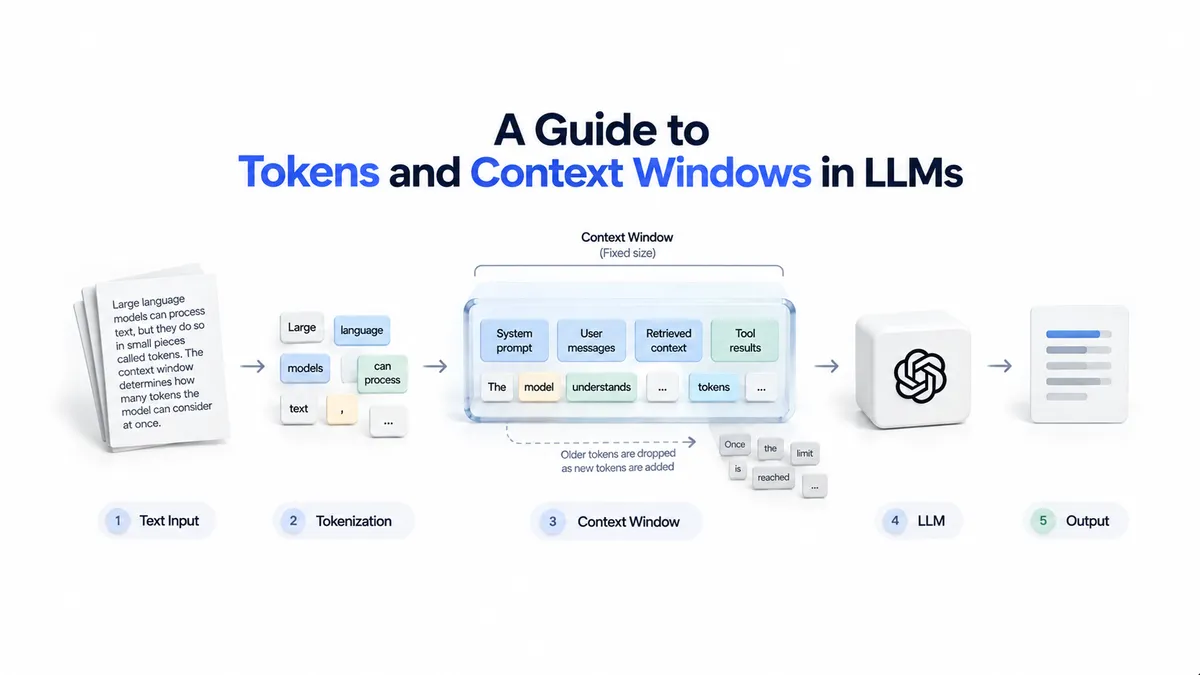
A Guide to Tokens and Context Windows in LLMs
Tokens and context windows decide how much text an AI model can process at once. This guide explains both ideas in plain language, shows why models sometimes forget earlier parts of a conversation, and offers practical ways to work within these limits.
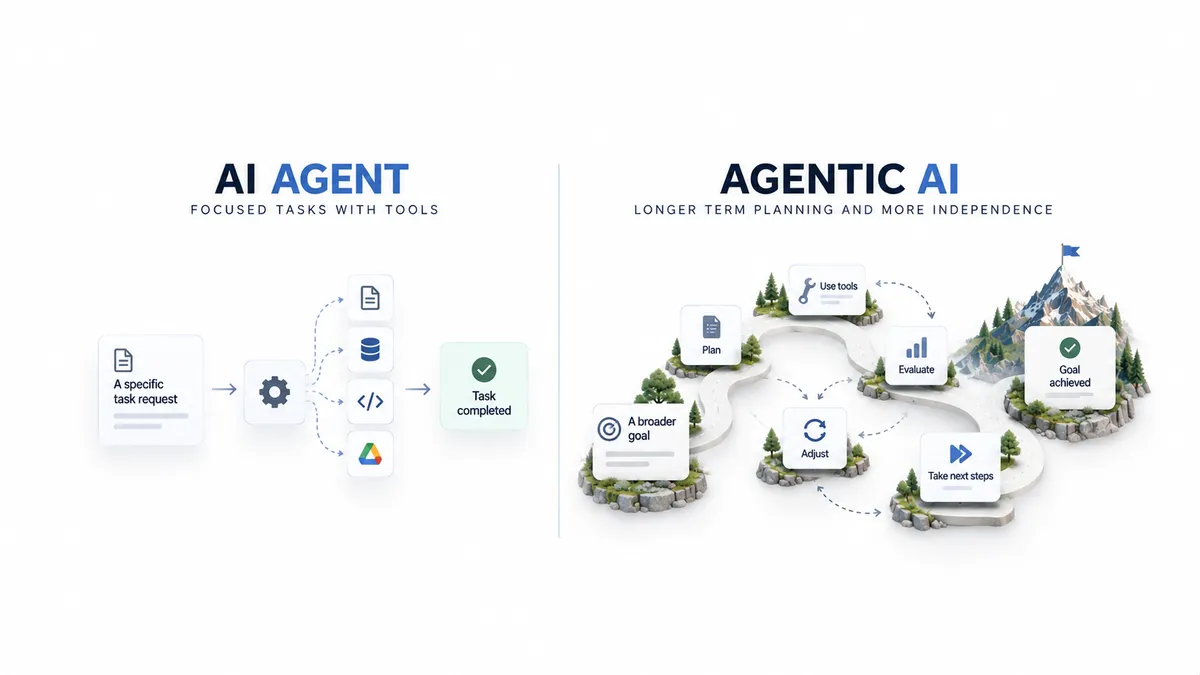
Difference between AI Agents vs Agentic AI
AI agents and agentic AI are often mixed up. One handles focused tasks with tools. The other aims for longer term planning and more independence. Here’s a clear explanation of both and how to decide which one you need.
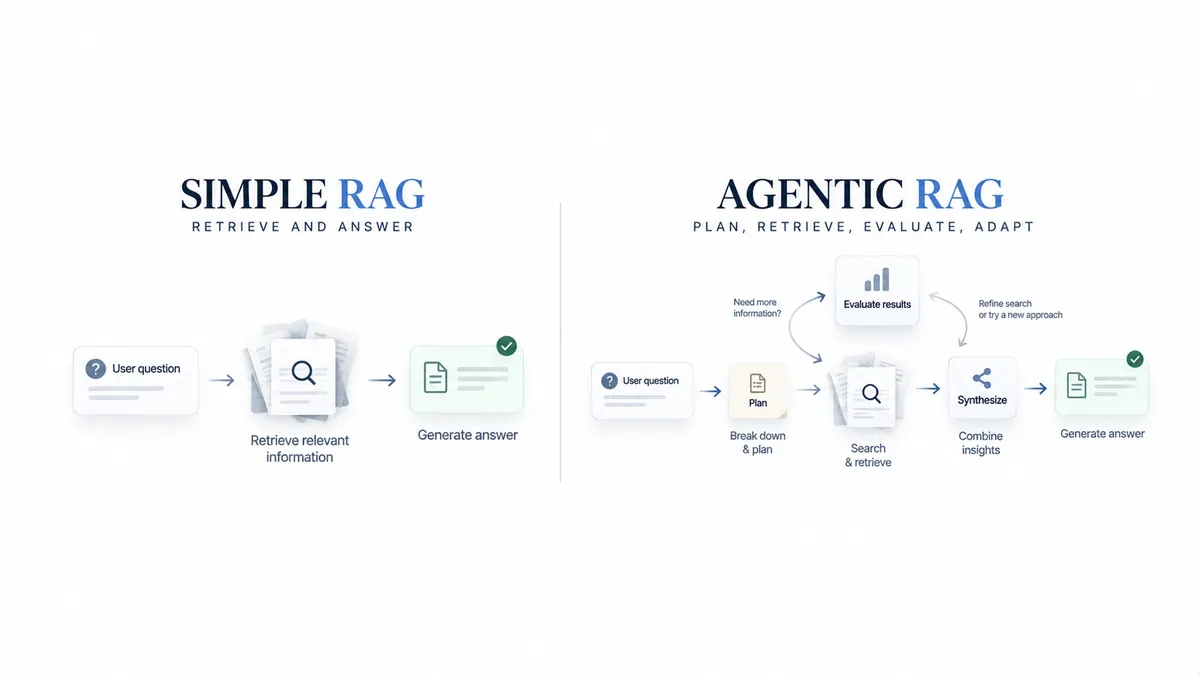
What Actually Changes From Simple RAG to Agentic RAG
This post explains how traditional single-pass RAG works and where it falls short on complex questions. It then breaks down what agentic RAG actually changes i.e planning, iterative retrieval, tool use, and self-correction and helps you decide when the added cost and latency are justified versus when a simpler approach is still better.
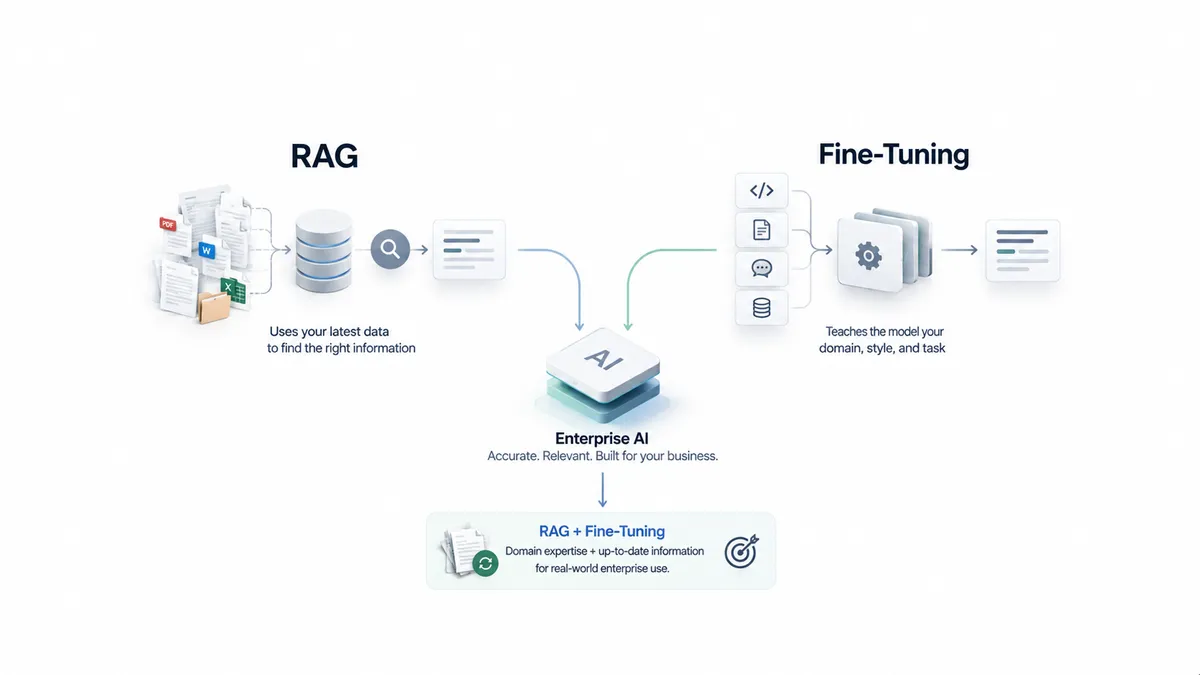
Custom LLM Fine-Tuning vs RAG: Which Approach Is Right for Enterprise AI?
Explains the key differences between RAG and custom LLM fine-tuning, helping enterprises choose the right AI architecture for their use case. It covers implementation strategies, costs, scalability, maintenance, real-world applications, and when to use RAG, fine-tuning, or a hybrid approach for building reliable enterprise AI systems.
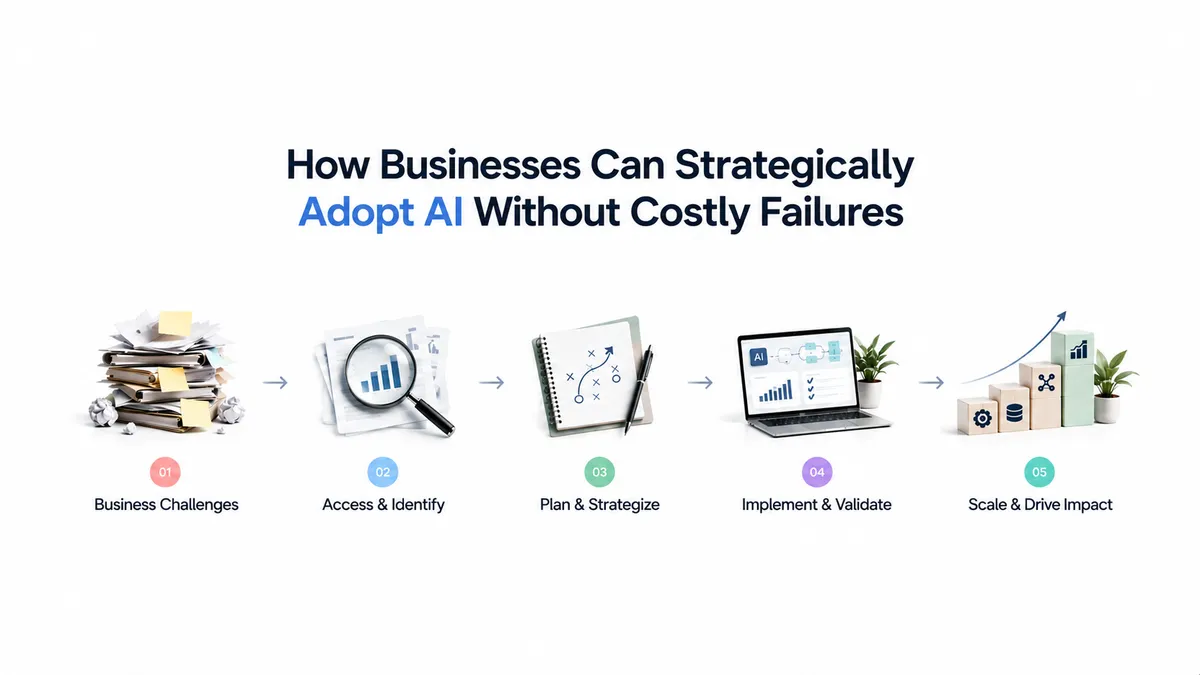
How Businesses Can Strategically Adopt AI Without Costly Failures
AI consulting services help organizations move beyond AI hype by implementing solutions that solve real business problems. They guide companies in developing clear strategies, overcoming technical challenges, and adopting AI in a structured, scalable, and results-driven way.
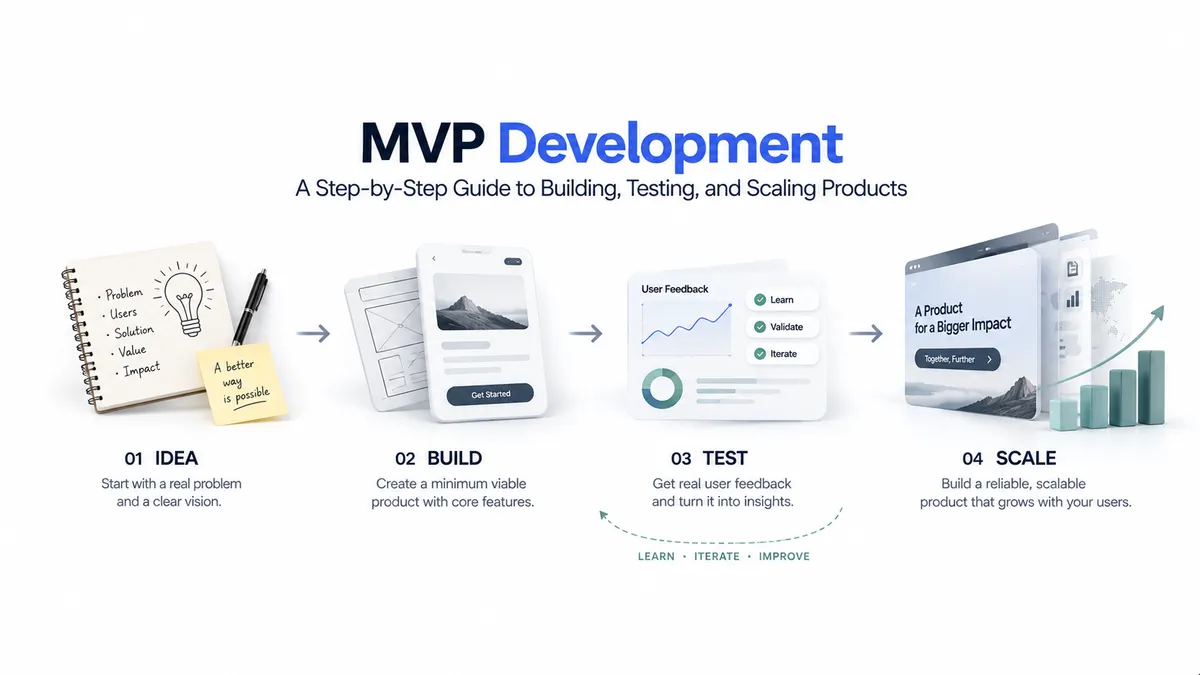
MVP Development: A Step-by-Step Guide to Building, Testing, and Scaling Products
This guide outlines a strategic framework for building, testing, and scaling products by focusing on core functionality. It emphasizes rapid prototyping and user feedback to validate ideas and minimize risk before full-scale investment. By prioritizing essential features, businesses can accelerate market entry and scale efficiently through data-driven iterations.
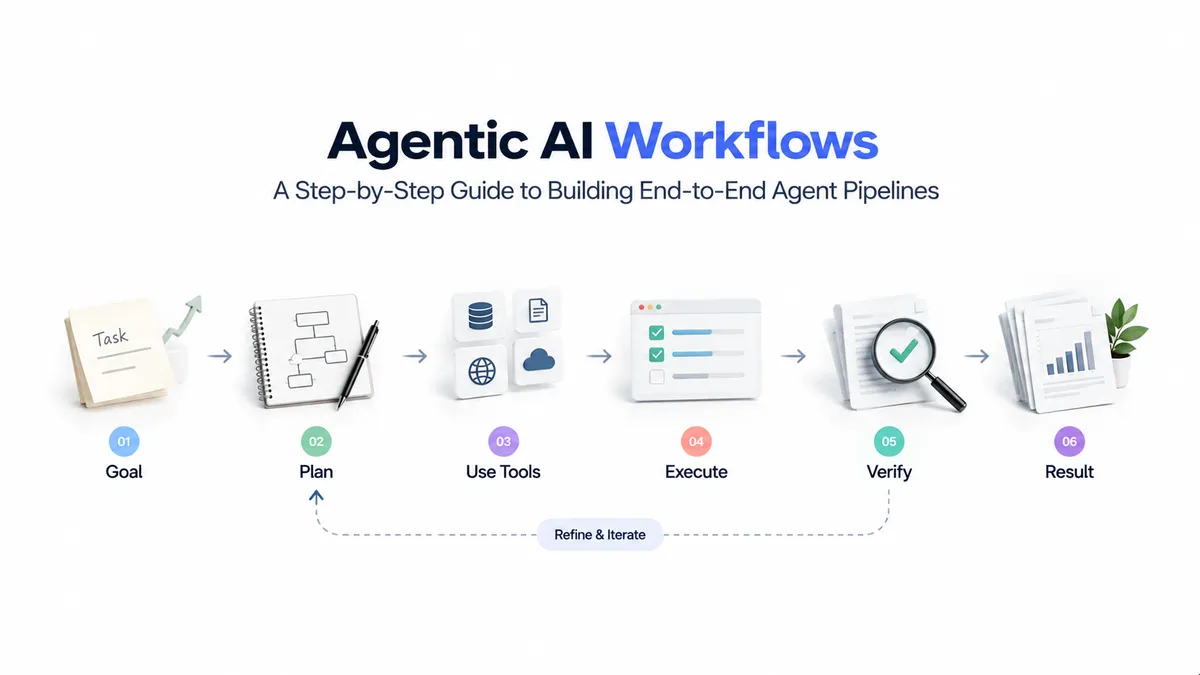
Agentic AI Workflows: A Step-by-Step Guide to Building End-to-End Agent Pipelines
Explains how to design and build agentic AI workflows that can autonomously plan, reason, use tools, and complete complex tasks. It covers agent architecture, orchestration, memory systems, tool integration, real-world use cases, and step-by-step strategies for creating scalable AI agent pipelines for modern businesses.
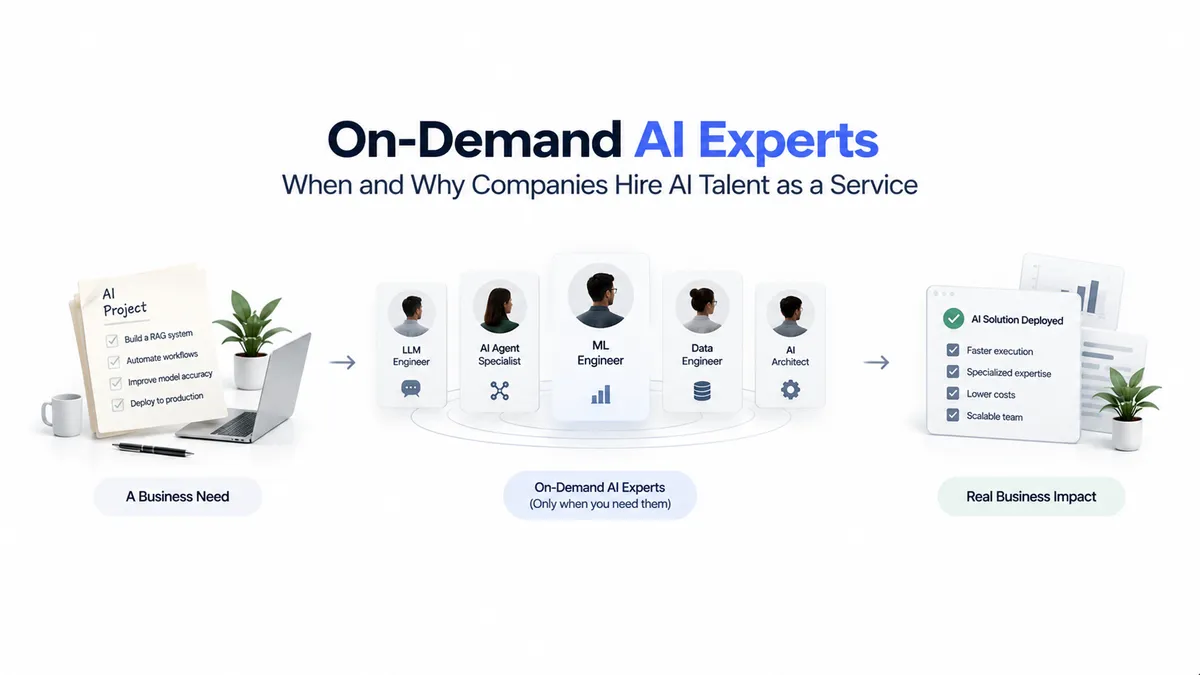
When and Why Companies Hire AI Experts For Their Services
As AI adoption grows, companies are rethinking how they build teams. This guide explains when on-demand AI talent makes the most sense and why businesses prefer it for faster execution, lower risk, and access to top-tier expertise without long-term commitments.
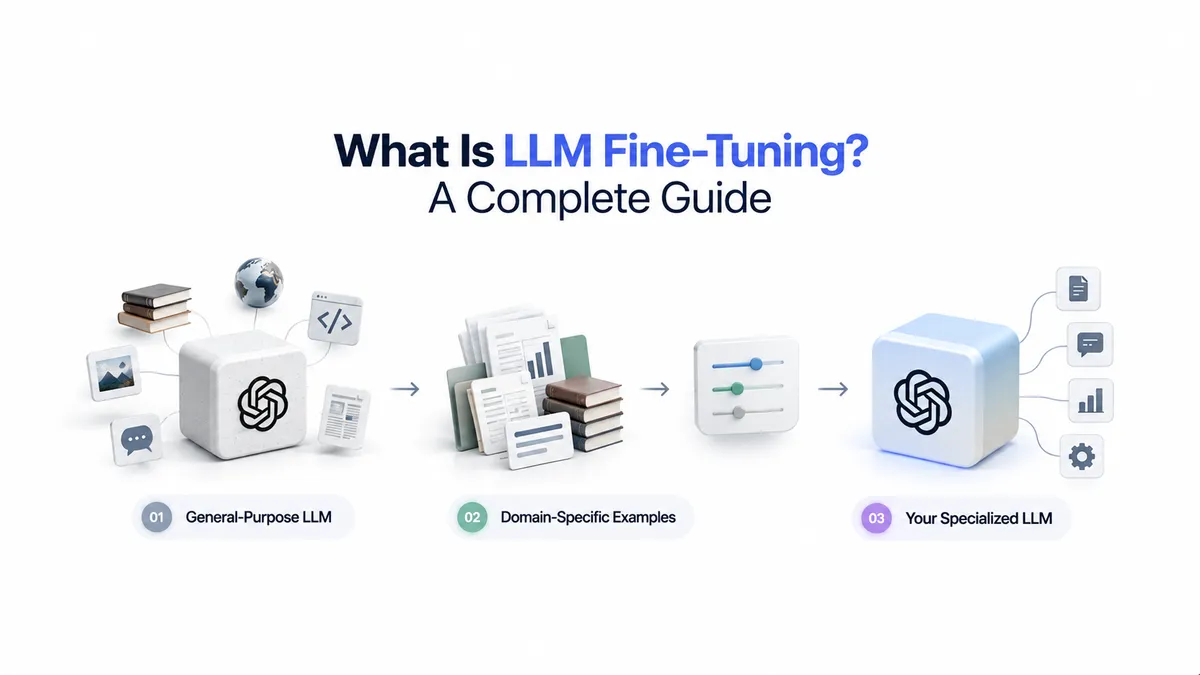
What Is LLM Fine-Tuning? A Complete Guide
"Fine-tuning" sounds technical, but the idea behind it is simple: take an AI model that already knows a huge amount in general, and give it focused, additional training on examples specific to your business, so its default behavior changes to match what you actually need.
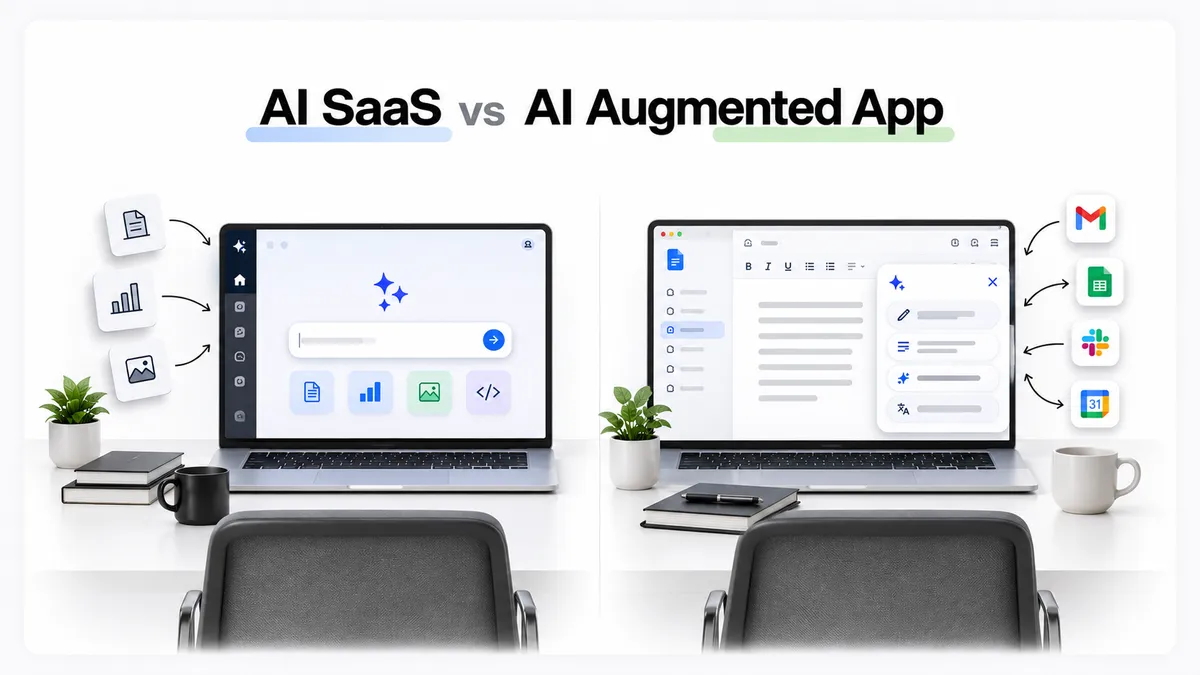
AI SaaS v AI Augmented App. Lets see the difference
The key differences between AI SaaS and AI-augmented applications, and learn how to choose the right AI architecture before you build. This guide explores product strategy, monetization models, data requirements, scalability considerations, and architectural decisions that can determine the long-term success of your AI product.
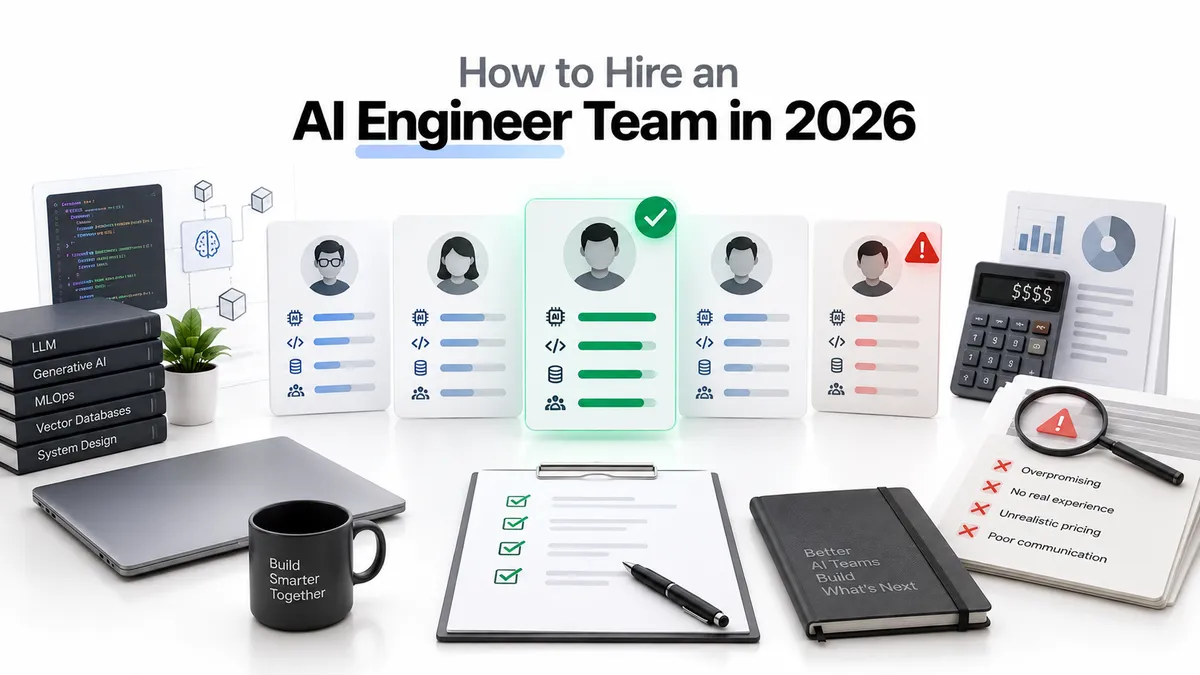
How to Hire an AI Engineer Team in 2026: Skills, Costs & Red Flags
Hiring the right AI team in 2026 is about more than finding developers who “know AI.” This guide breaks down the key roles, essential skills, real-world hiring costs, and critical red flags companies should watch for before investing in AI talent. Learn how startups and enterprises are building production-grade AI teams faster, smarter, and with lower hiring risk.

Insurance App Development: A Step-by-Step Guide for Startups & Enterprises
Explores how startups and enterprises can build scalable insurance applications that simplify policy management, claims processing, payments, and customer engagement. It covers the complete development process, essential features, emerging technologies, and key strategies for creating secure, user-friendly, and future-ready insurance platforms.
How We Built an AI Image Generation System for Shopify That Scales Product Imagery Instantly
Explores how an AI-powered system automates product image creation for Shopify stores, enabling faster workflows, consistent branding, and scalable visual content production. It highlights how AI and automation can transform eCommerce operations and improve overall efficiency.

How AI is Changing Product Photography for eCommerce
AI is transforming product photography by enabling faster image creation, consistent visual branding, and scalable content production. Instead of relying solely on traditional photoshoots, businesses can use AI to generate and optimize product visuals efficiently, improving workflows and accelerating time-to-market.

AI Teacher Bot for Smarter Student Support and Learning Assistance
Prgya’s AI Teacher Bot delivers instant, source-backed answers by turning learning materials into an intelligent assistant. It reduces repetitive support work, improves onboarding, and makes student support faster and scalable.

From Idea to MVP: Building an AI-Powered Mock Interview Platform
A comprehensive guide to key terms in artificial intelligence, software development, automation, and digital product engineering. It helps businesses and startups understand modern technologies, make informed decisions, and build scalable, high-performance digital solutions.

How Healthtech Platforms Use AI for Patient Data Processing
Healthcare is evolving rapidly, and one of the biggest drivers of this transformation is artificial intelligence. From hospitals to digital health platforms, organizations are now using AI to handle massive volumes of patient data more efficiently. But behind all the technology lies a simple goal—delivering better, faster, and more accurate care to patients.

How Edtech Companies Use AI to Generate Course Content Faster
Edtech companies use AI to create course content faster by automating research, generating course outlines, writing scripts, creating quizzes, and personalizing learning content. AI helps reduce content creation time, improve consistency, and scale course production for online learning platforms.

Why AI Voice Assistants for Appointment Reminders and Follow Ups
AI voice assistants and consulting services are transforming business efficiency by automating appointments and follow-ups. This smart automation helps companies like clinics and firms prevent missed opportunities, saving time while maintaining strong customer connections.

Why MVPs Are Important for Startups and How They Play a Vital Role
An MVP allows startups to validate core ideas with minimal risk by focusing on essential features first. By launching a lean version of your product, you can save development costs, enter the market faster, and use real user feedback to build a scalable, successful solution that investors value.

Agentic RAG: How to Deploy It for Customer Service Automation
Agentic RAG enhances customer service automation by combining AI reasoning, knowledge retrieval, and real-time actions. This guide covers its architecture, deployment steps, and how businesses can automate support while improving accuracy and customer experience.

Intelligent Automation vs RPA vs AI Agents: The 2026 Decision Guide for Enterprise Teams
This compares RPA, Intelligent Automation, and AI Agents to help enterprises choose the right automation strategy in 2026. It explains how each technology works, where it fits best, key differences, real-world use cases, implementation considerations, and how modern businesses are building scalable, AI-driven automation ecosystems.

How to Launch an AI-Powered MVP in 30 Days: Tech Stack, Cost Breakdown, and Step-by-Step Roadmap
Startups and businesses can build and launch an AI-powered MVP in just 30 days using the right strategy, tech stack, and development process. It covers week-by-week planning, AI architecture, cost breakdowns, common mistakes to avoid, and real-world insights for building scalable AI products efficiently.
How AI Agents Are Replacing Customer Support Teams
Customer support used to mean long phone queues, waiting on chat agents, and hoping someone would respond before the workday ended. Today, more and more businesses are handing that first conversation over to something else: AI agents. These smart assistants are quietly taking over routine support work, and in many companies, they are already replacing parts of traditional customer support teams.
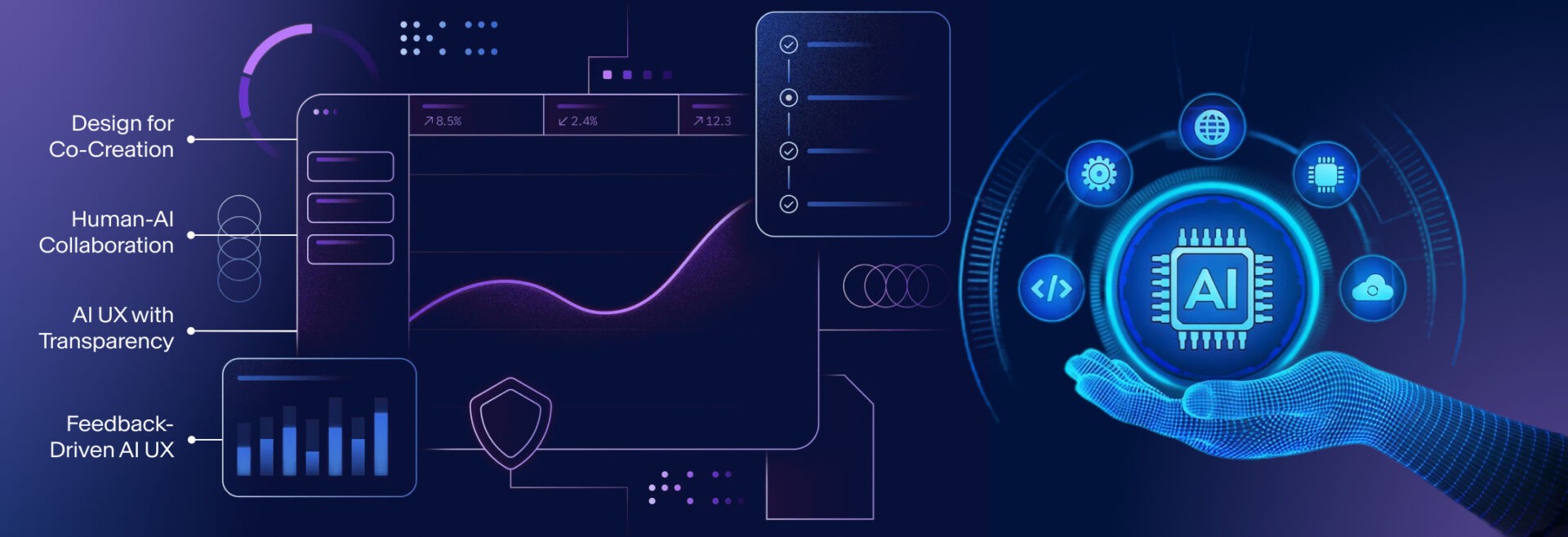
How a UI UX Development Company Uses AI to Improve User Experience and Conversions
AI-driven UI UX design replaces guesswork with data-backed strategies to boost engagement and conversions. By leveraging predictive analytics and real-time personalization, development companies optimize user journeys for maximum efficiency. This approach blends AI power with human-centered design to create high-performing digital experiences.

Intelligent Automation Services Explained: From RPA to AI-Driven Process Automation
Businesses are constantly seeking ways to improve efficiency, reduce errors, and save time. While traditional automation handled repetitive tasks, Intelligent Automation combines RPA, AI, and Machine Learning to enable smarter, data-driven processes. This blog explores the shift from basic automation to AI-powered solutions and how organizations can start their intelligent automation journey.

Generative AI Consulting Services: Use Cases, Benefits, and How Businesses Are Getting Started
Artificial Intelligence is transforming how businesses operate, and Generative AI is leading this change by improving productivity through tasks like content creation and coding assistance. Generative AI consulting helps organizations identify practical use cases, build AI solutions, and implement them securely and effectively to drive successful AI transformation.
Automate or Be Left Behind: Why Businesses Need Smart Helpers
In today’s fast-paced market, efficiency is key to staying competitive. While many businesses still rely on slow, manual processes, forward-thinking companies are adopting AI-powered workflow automation to handle repetitive tasks and streamline operations. This guide explains what these technologies are, how they work, and why they are essential for future-ready businesses.
Getafreeconsultationonwhat you’re building.
Bring a spec, a half-formed idea, or a vision. Book a quick call with our team and we’ll map out what it takes to ship.


“Talk it through with the people who’ll build it.”