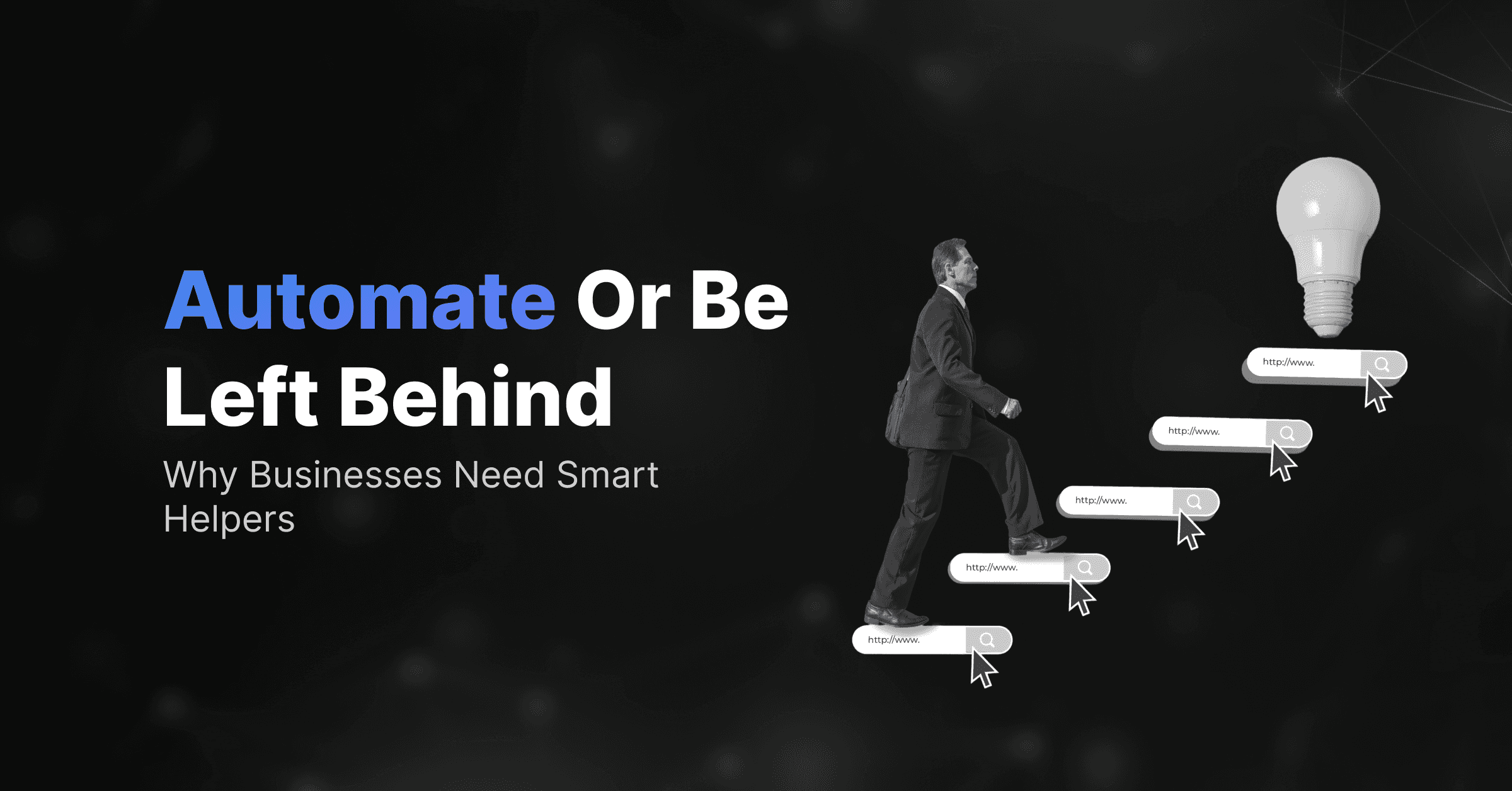
Automate or Be Left Behind: Why Businesses Need Smart Helpers
In today's fast-paced market, the difference between leading the pack and falling behind often comes down to one thing: efficiency.
While many businesses still rely on manual processes that are slow and prone to error, forward-thinking companies are adopting a new kind of teammate. Enter AI-powered workflow automation—a "smart helper" designed to handle repetitive tasks, streamline operations, and free up your human talent for creative, high-value work.
This guide explores exactly what these technologies are, how they work together to drive growth, and why embracing them is no longer just an option, but a necessity for future-proofing your business.
The Big Idea
Imagine you have a giant box of toys to sort. Every day, you pick up each toy, look at it, and place it in the right basket. You do this again and again. It’s slow, boring, and sometimes you make mistakes.
Now imagine you have a super-smart robot friend who can do the sorting for you. While the robot works, you’re free to build towers, draw pictures, or play with friends. That’s what AI-powered workflow automation does for businesses. It’s like a smart helper that takes care of boring jobs so people can focus on fun and important work.
Companies that use this smart helper go faster, make fewer mistakes, and keep customers happy. But companies that don’t use it? They get stuck doing things the old way, and soon, they fall behind.

What is AI?
AI is like giving a computer a super brain. It doesn’t feel emotions like humans, but it can learn patterns. Think about how you learned to ride a bike: you practiced, fell down, and tried again until you got it right. AI does the same, but with information. It practices millions of times until it knows what to do.
It’s like having a coach who has watched every single game in the world. That coach can quickly tell you what move works best. AI helps businesses in the same way, showing them the smartest choices.
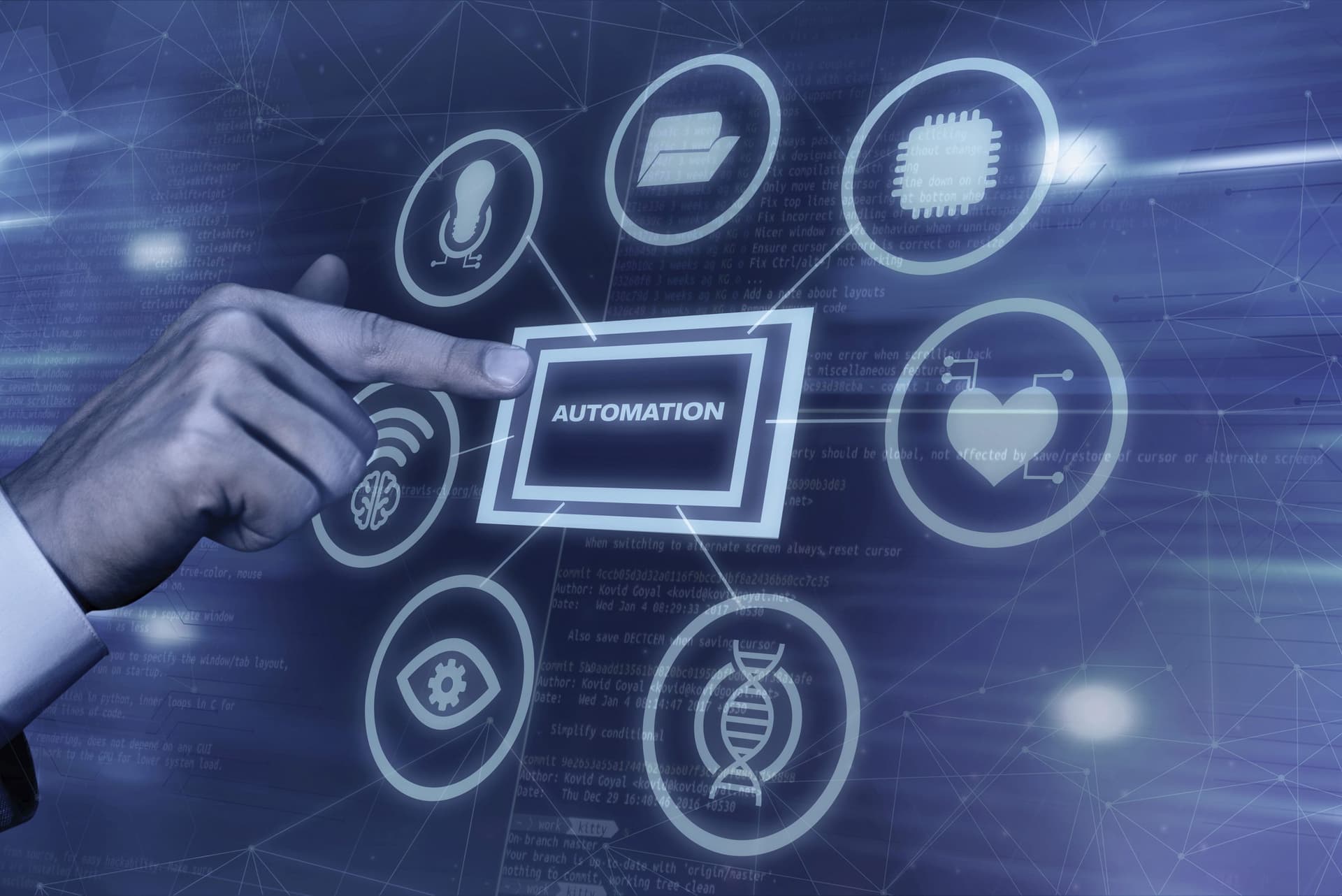
What is Workflow Automation?
Workflow automation is like a magic to-do list. Imagine you write “Clean my room.” As soon as you check that box, your toys automatically fly into the toy box, the bed makes itself, and a message goes to your parents saying, “Room is clean!”
In business, automation does things like:
- Sending emails when something changes.
- Moving a form to the right person.
- Checking details without mistakes.
It makes sure things are always done the right way, every time.
Why Put AI and Automation Together?
Now, what happens when you put the smart brain (AI) and the magic to-do list (automation) together?
You get an even smarter helper! Instead of just following rules, it can think a little. For example:
- A normal system sends every question to the same team.
- But with AI, the system looks at the question and sends it to the exact person who can solve it fastest.
That’s the power of AI-powered workflow automation. It learns, adapts, and keeps getting better over time.
What Happens if Businesses Don’t Automate?
If a company says, “Nah, we’ll keep doing things the old way,” here’s what happens:
- They fall behind rivals. Imagine two lemonade stands. One counts money once a month, the other checks sales instantly. The instant checker knows when to change prices and never loses money. The monthly one? Too slow.
- They waste time and money. Workers spend hours typing the same numbers again and again. Mistakes happen. Fixing them takes even more time.
- Customers get annoyed. People today want quick answers. If a chatbot answers right away, customers are happy. If they wait hours for a human reply, they leave.
- They miss new ideas. AI shows patterns humans might miss. Without it, businesses guess instead of knowing what’s coming next.
The Benefits of Automating
When companies use smart helpers, magic happens:
- Work gets faster. Tasks that took days finish in minutes.
- Costs go down. Fewer mistakes mean less money wasted.
- People are happier. Workers stop doing boring stuff and focus on fun, creative projects.
- Better decisions. With real-time data, leaders know what’s happening right now—not last month.
- Scaling is easy. As the company grows, automation grows with it without needing tons of new workers.
How to Start
Automating doesn’t mean jumping in all at once. The smart way is:
- Start small. Pick easy, repetitive jobs.
- Test and learn. Try it with one team first.
- Grow slowly. Add more tasks once everyone is comfortable.
- Train people. Show workers how to use it so they feel excited, not scared.
The Future
The truth is simple: companies that use smart helpers will win. Those who don’t will fall behind. Automation is not about replacing humans. It’s about helping humans do better, faster, and more creative work.
So the choice is clear: automate or be left behind.
Author

Himanshu is the Founder of Neuradynamics and a seasoned Full Stack Developer with 15+ years of experience in application development, cloud infrastructure, automation, and scalable digital solutions. With expertise across Python, Django, AWS, Azure, and AI-powered systems, he shares practical insights on modern technology, software architecture, and digital transformation.