A Guide to Tokens and Context Windows in LLMs
Tokens and context windows decide how much text an AI model can process at once. This guide explains both ideas in plain language, shows why models sometimes forget earlier parts of a conversation, and offers practical ways to work within these limits.
Introduction
Large language models power many of the tools people use every day. Chat systems, writing assistants, coding helpers, and search tools all rely on them. Yet two basic ideas sit underneath almost everything these models do. Those ideas are tokens and context windows.
Most people never need to think about them until something goes wrong. The model suddenly forgets earlier parts of the conversation. It starts giving answers that ignore important details. Or it refuses to process a long document. In almost every case the reason traces back to tokens and the context window.
This guide explains both concepts in plain language. It shows how they work, how they limit what a model can see, and what that means for real use. No special background is required. The goal is simply to make the ideas clear so you can work with these systems more effectively.
What Are Tokens in Large Language Models
A token is a small piece of text that the model actually processes. Models do not read words or sentences the way people do. They break text into tokens first.
A token can be:
- A whole word
- Part of a word
- A single character
- A space or punctuation mark
For example, the sentence “The quick brown fox” might become several tokens such as “The”, “ quick”, “ brown”, and “ fox”. Common words often stay as single tokens. Less common words or words with unusual endings get split into smaller pieces.
Different models use slightly different methods for creating tokens. The exact rules are set during training. What matters for everyday use is that every piece of text you send to the model and every piece of text the model generates is counted in tokens.
Tokens are the basic unit of measurement for these systems. When people talk about how much text a model can handle or how much a request costs, they are almost always talking about tokens.
How Tokenization Works
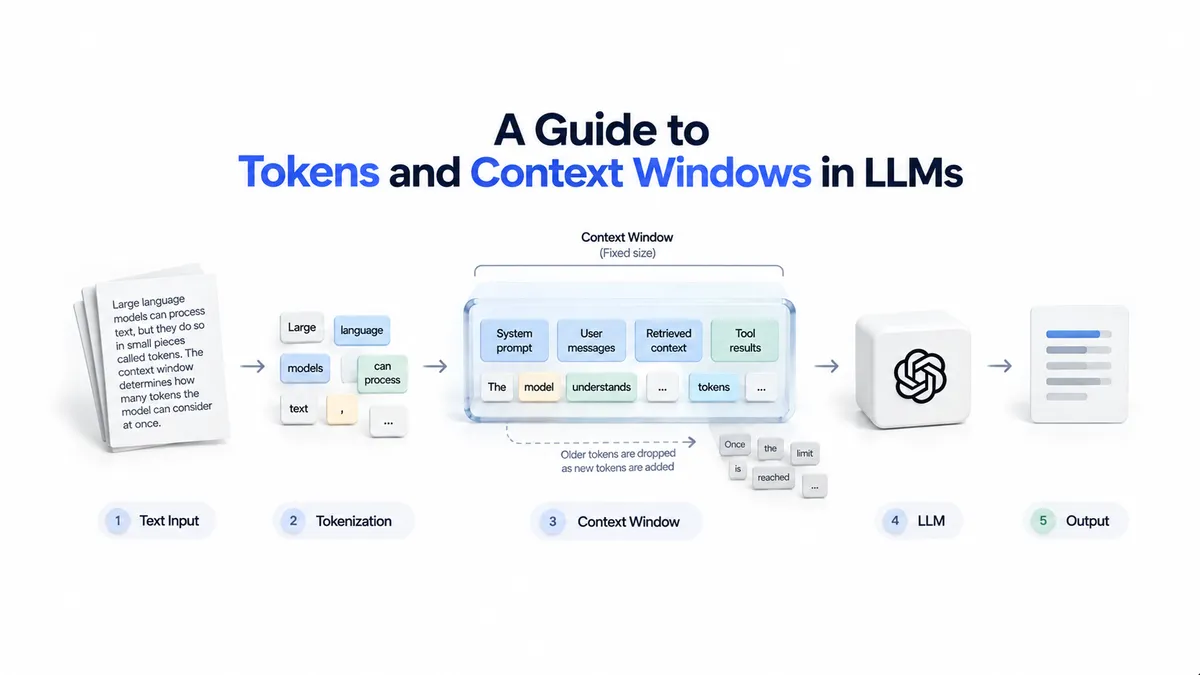
Tokenization is the process of turning ordinary text into tokens. When you type a message or upload a document, the system first runs a tokenizer. The tokenizer looks at the text and decides where to split it.
The process is automatic and usually invisible. You see words on the screen. The model sees a sequence of numbers that stand for tokens. Those numbers are what the model actually works with.
Key points to remember:
- The same sentence can use a different number of tokens depending on the model
- English text often averages around one token for every four characters, or roughly one and a half tokens per word
- Other languages can behave differently
- Code and technical writing tend to use more tokens than ordinary paragraphs
The important point is that the model never sees the original text directly. It only sees the tokens. Everything that follows depends on that conversion.
What Is a Context Window
The context window is the limit on how many tokens the model can consider at one time. Think of it as the model’s working memory for a single request.
Everything the model can use to generate its next response must fit inside this window. That includes:
- The system instructions
- The conversation history
- Any documents you provide
- The new message you just sent
Once the total number of tokens reaches the limit, the model can no longer see the older material.
Different models have different context window sizes. Some older models could handle only a few thousand tokens. Newer models can handle tens of thousands or even hundreds of thousands of tokens. The number is fixed for each model version. You cannot expand it on the fly.
The context window is one of the most important practical limits in working with large language models. It decides how long a conversation can go, how large a document you can analyze in one go, and how much background information you can give the model.
How Context Windows Limit What an LLM Can See
Because the context window is limited, the model can only pay attention to a fixed amount of text at once.
If a conversation grows too long, the earliest messages fall out of the window. The model simply no longer has access to them. The same thing happens with documents. If you paste in a long report and the total tokens exceed the window, the model may only see the beginning or the end of the text, depending on how the system is set up. The middle or the oldest parts become invisible.
This limit is not a software bug. It is a direct result of how the models are built. The computing cost and memory required to process tokens grow quickly as the window gets larger. Designers therefore choose a maximum size that balances capability with practicality.
Users experience the limit as:
- Forgetfulness
- Incomplete answers
- Loss of earlier instructions
- Inconsistent behavior in long sessions
The model is not choosing to ignore information. The information is simply no longer inside the window it can examine.
Tokens vs Context Window
Tokens and the context window are tightly linked. The context window is measured in tokens. Every piece of text that goes into the model consumes part of that window.
There are two main types of tokens:
- Input tokens — the tokens that make up everything you provide (instructions, conversation history, and documents)
- Output tokens — the tokens the model generates in its reply
Both count toward limits, and both usually count toward cost.
A short question uses few input tokens and leaves most of the window free. A long conversation or a large document uses many input tokens and leaves less room for the model’s reply. If the combined total approaches the window size, the system may cut off older content or refuse the request.
Understanding this relationship helps explain many everyday behaviors:
- Why a model suddenly loses track of earlier instructions
- Why adding more background material can sometimes hurt performance
- Why very long documents need special handling
All of these effects come from the limited number of tokens the model can hold at once.
What Happens When You Exceed the Context Window
When the total tokens exceed the context window, the system must do something with the overflow. Different products handle this in different ways.
Common approaches include:
- Refusing the request and asking you to shorten the input
- Automatically dropping the oldest messages to make room for the new ones
- Summarizing earlier parts of the conversation and keeping only the summary
Whatever the method, the result is the same. Some information that was previously available is no longer visible to the model. The model continues generating text based only on what remains inside the window.
This is why long chat sessions can start to feel inconsistent. Early decisions or facts are no longer present. The model begins responding as if those parts of the conversation never happened. The same effect appears when people try to analyze very long documents without breaking them into smaller pieces.
Why Longer Context Windows Are Not Always Better
It is natural to assume that a bigger context window is always an improvement. In practice the picture is more complicated.
Larger windows allow the model to see more text at once. That is useful for long documents or extended conversations. However, several problems appear as the window grows.
First, the computing cost rises. Processing more tokens takes more time and more resources. Responses can become slower and more expensive.
Second, the model does not always use the full window effectively. Research has shown that models often pay more attention to information at the beginning and the end of the context and less attention to material in the middle. Important details placed in the middle of a long input can be overlooked. This is sometimes called the lost in the middle problem.
Third, more context can introduce more noise. When a large amount of text is present, the model has to decide what is relevant. Extra information that is only loosely related can distract the model and lead to less focused answers.
For these reasons, a larger context window is a tool rather than an automatic upgrade. It helps in some situations and brings new challenges in others. Many practical systems still work better by carefully selecting the most relevant information rather than simply stuffing everything into a bigger window.
Related Terms You Should Know
Several other terms appear often when people discuss tokens and context windows.
- Input tokens — the tokens that come from everything you send to the model
- Output tokens — the tokens the model produces in its response
- Context length — another name for the size of the context window
- Attention — the mechanism the model uses to decide which tokens matter most when generating the next piece of text
- Lost in the middle — a limitation where models focus more on the start and end of long inputs and less on the middle
- Truncation — cutting off text that exceeds the window
- Sliding windows — a technique some systems use to keep a moving view of recent tokens while older ones are discarded or summarized
These terms all describe different aspects of the same underlying limits. Once you understand tokens and the context window, the related vocabulary becomes easier to follow.
Practical Tips for Working Within Context Limits
Several simple practices help you stay inside the context window and get better results.
- Keep system instructions short and clear. Long instructions consume tokens that could be used for conversation or documents.
- When working with long documents, break them into smaller sections and process one section at a time.
- Summarize earlier sections if you need to carry information forward.
- In ongoing conversations, periodically remind the model of key facts instead of relying on it to remember everything from the beginning.
- Remove unnecessary material. Polite filler, repeated information, and long examples all cost tokens.
- Monitor token usage when the tool provides that information. Many interfaces now show how many tokens a request is using.
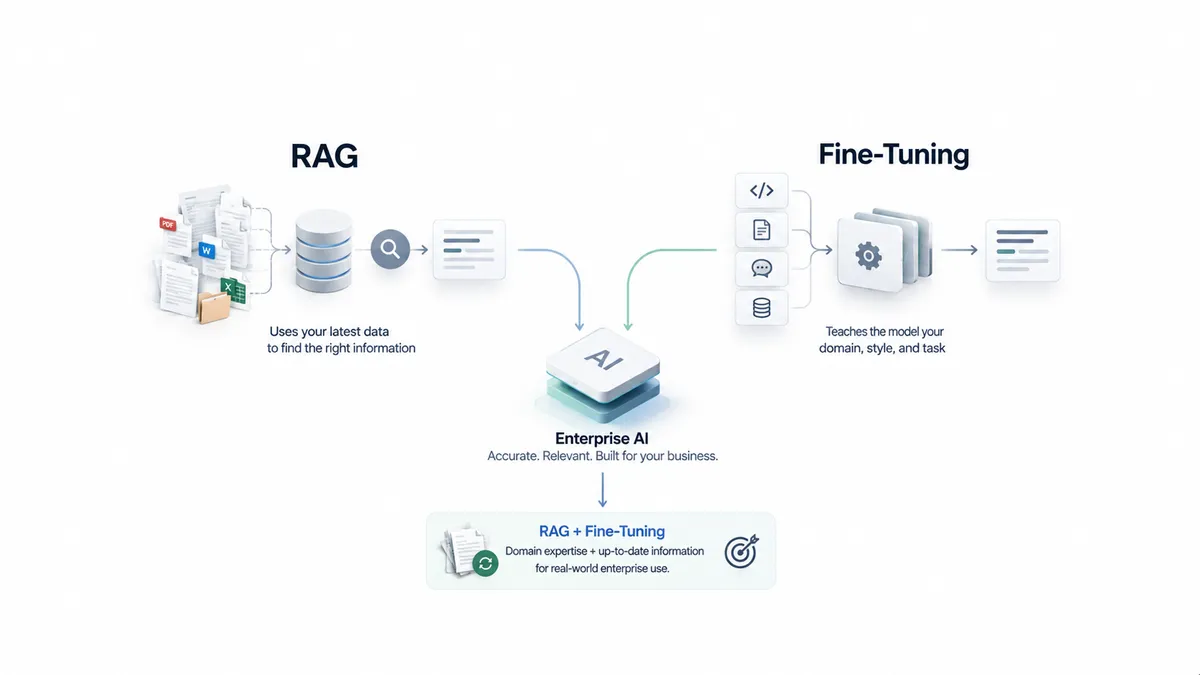
- For tasks that require large amounts of external knowledge, consider retrieval methods that bring in only the most relevant pieces of text rather than the entire source.
These habits reduce the chance that important information will fall outside the window and improve the consistency of the model’s responses.
How This Affects RAG Agents and Real Applications
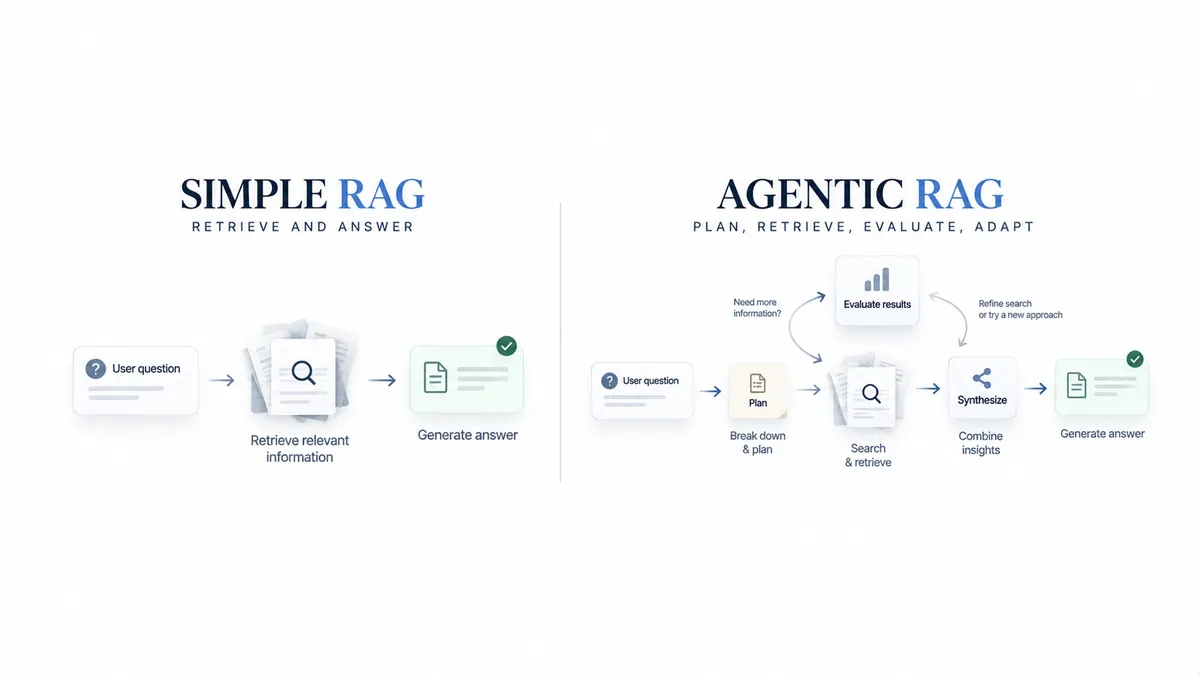
Retrieval Augmented Generation and agent systems are directly shaped by token and context limits.
In a retrieval system, the goal is to find relevant information and place it into the context window so the model can use it. If the retrieved material is too large, it must be trimmed or ranked so that only the most useful parts fit. Poor selection of retrieved text wastes the limited window and can leave out critical facts.
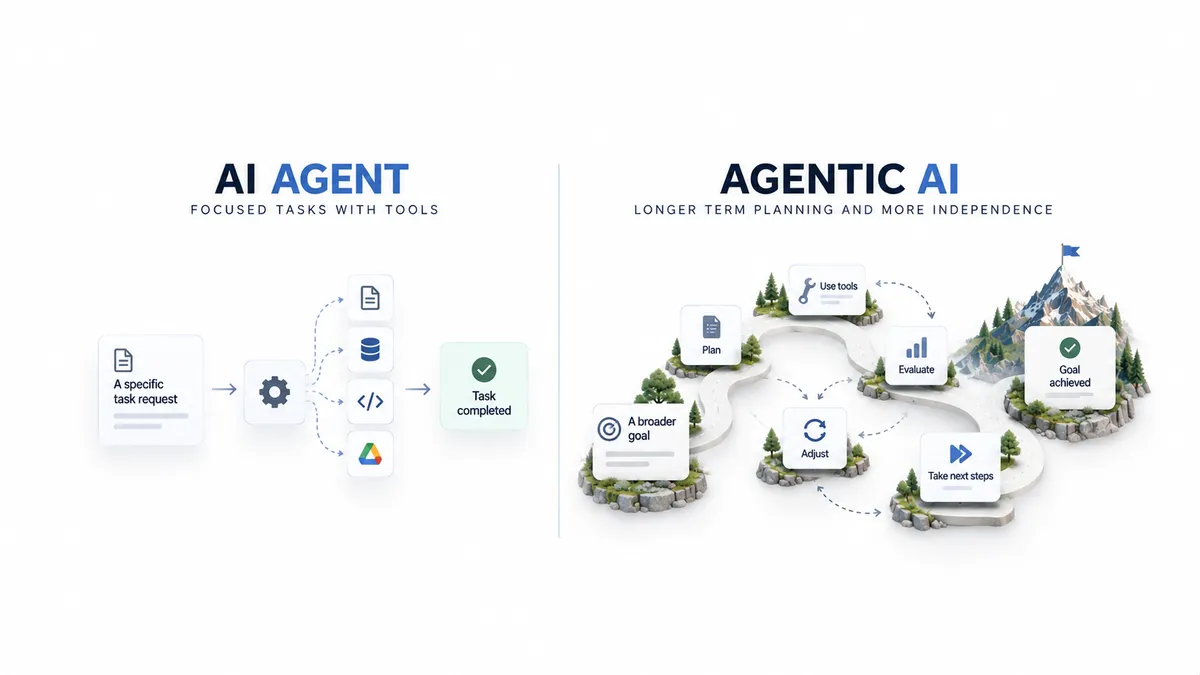
Agents that take multiple steps face the same constraint. Each step adds tokens to the growing context. An agent that plans, calls tools, and observes results can fill the window quickly. Designers therefore need ways to:
- Summarize progress
- Drop older steps
- Keep only the most important state
In both cases, the context window acts as a hard boundary. Systems that ignore it produce incomplete or inconsistent behavior. Systems that respect it and manage tokens carefully remain more reliable.
Understanding tokens and context windows therefore helps when building or choosing tools that use retrieval or multi-step reasoning. The limits do not disappear just because the system is more complex. They simply become more important to manage.
Conclusion
In a nutshell, tokens are the small pieces of text that language models actually process. Whereas, the context window is the maximum number of those tokens the model can consider at one time. Together they define what the model can see and remember during any single request.
When the window is large enough and the tokens are well chosen, the model can work with long conversations and detailed documents. When the window is exceeded or filled with less relevant material, the model loses access to information and the quality of its responses drops.
Longer context windows expand what is possible, but they also bring higher costs and new challenges in attention and relevance. For most practical work, the best results come from staying aware of the limits and managing what goes into the window rather than simply relying on larger capacity.
Tokens and context windows are not complicated ideas once they are explained clearly. They are basic facts about how these models operate. Knowing them helps explain everyday behavior and leads to better choices when using or building systems that rely on large language models.
Author

Himanshu is the Founder of Neuradynamics and a seasoned Full Stack Developer with 15+ years of experience in application development, cloud infrastructure, automation, and scalable digital solutions. With expertise across Python, Django, AWS, Azure, and AI-powered systems, he shares practical insights on modern technology, software architecture, and digital transformation.