How AI Agents Are Replacing Customer Support Teams
Customer support used to mean long phone queues, waiting on chat agents, and hoping someone would respond before the workday ended. Today, more and more businesses are handing that first conversation over to something else: AI agents. These smart assistants are quietly taking over routine support work, and in many companies, they are already replacing parts of traditional customer support teams.
What Are AI Assistants?
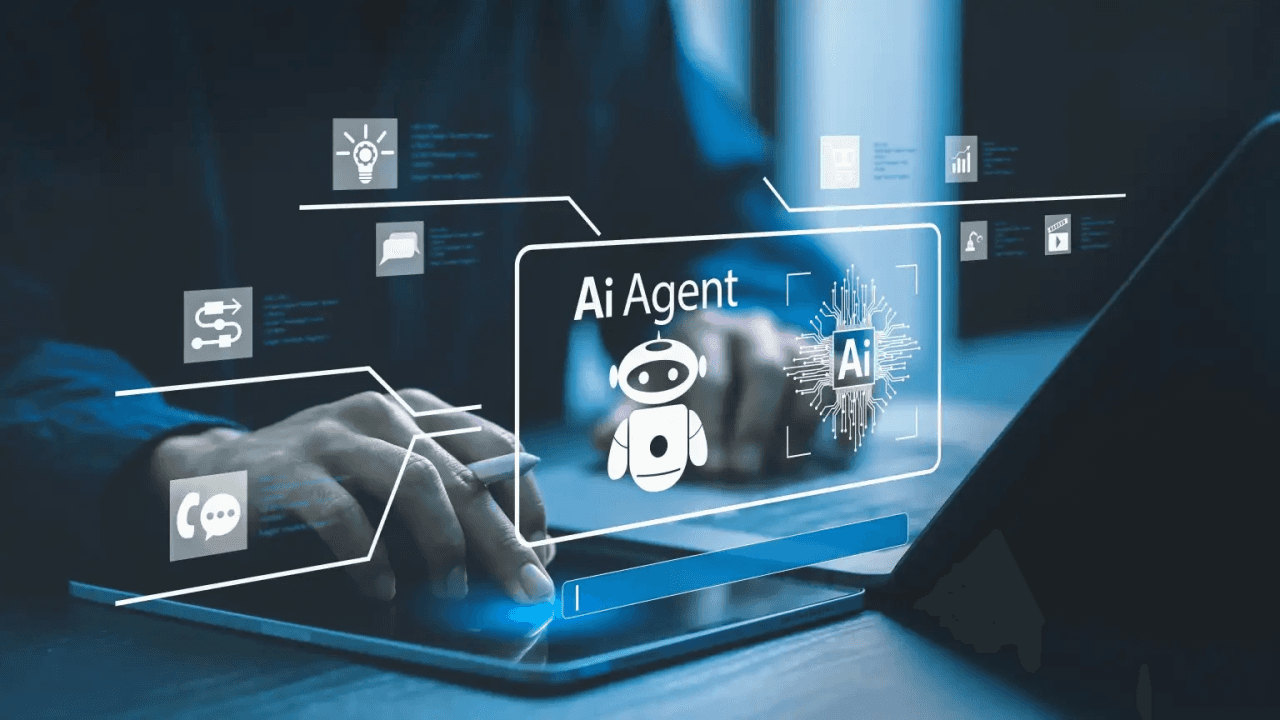
AI assistants are computer programs powered by artificial intelligence and natural language processing. Unlike old‑style bots that only followed fixed scripts, modern AI assistants can understand intent, ask follow‑up questions, and remember context across a conversation.
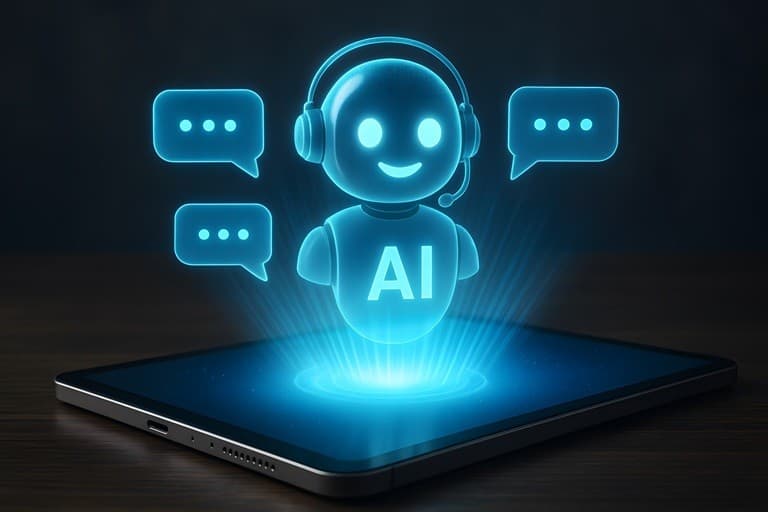
They live on websites, mobile apps, and messaging platforms like WhatsApp or enterprise tools like Slack. Customers can type a question, and the chatbot replies instantly—often before the customer even finishes typing.
Why Companies Are Choosing AI Agents
The main reason businesses are turning to AI Agents is efficiency. Human support teams are expensive to hire, train, and maintain, especially when they must cover multiple time zones and languages. AI Agents, once built, can handle thousands of conversations at the same time, with no breaks and no overtime costs.
Customers also expect fast answers. AI Agents reply in seconds, cutting down wait times and reducing frustration. For simple queries like “Where is my order?” or “How do I reset my password?”, the bot can often close the ticket without a human ever stepping in.
AI systems also learn over time. By analyzing past conversations, they can spot patterns, refine answers, and improve accuracy. This is where intelligent automation comes in—automating not just the response, but the learning and improvement behind it.
What Tasks Can AI Agents Handle?
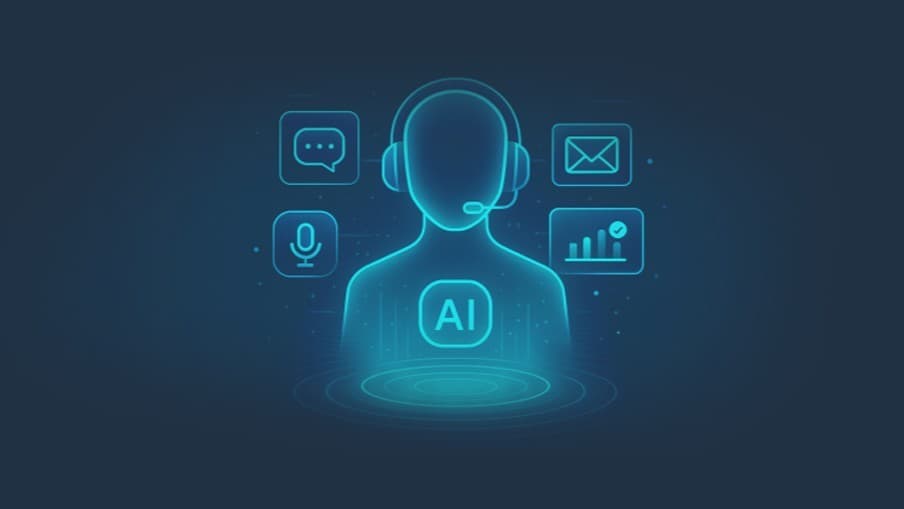
Today’s AI agents can manage a surprising range of support tasks:
- FAQs and account help: Answering common questions, explaining features, and guiding users through account changes.
- Order tracking and returns: Letting customers check status, generate return labels, or estimate refund timelines.
- Technical troubleshooting: Helping users install software, reset settings, or troubleshoot login issues.
- Onboarding and guidance: Walking new users through product setup and offering personalized tips based on behavior.
For many of these, the chatbot isn’t just a “first contact”—it becomes the only contact needed. The result is a lighter load on human agents and faster resolutions for customers.
Where Human Agents Still Matter
Despite their power, AI assistants cannot fully replace human support teams. There are several areas where people still play a vital role:
- Emotional and sensitive issues: When a customer is upset or dealing with a sensitive problem, a human’s empathy and tone make a big difference.
- Complex or edge‑case problems: If an issue is unusual or involves multiple systems, a human can dig deeper and find a creative solution.
- Relationship building: Long‑term loyalty often depends on personal connections, context awareness, and trust—things that AI still cannot fully replicate.
The realistic trend isn’t “bots vs humans,” but “bots plus humans.” AI agents handle high‑volume, repetitive tasks, while human agents focus on complex, emotional, and high‑value interactions.
Business Benefits of AI agents
From a business perspective, using AI Agents to replace parts of the support team brings several advantages:
- Lower costs: Once the bot is built and trained, serving more customers adds little extra overhead compared with hiring more agents.
- Better scalability: During product launches, marketing spikes, or peak seasons, chatbots can scale instantly without recruiting or training delays.
- Consistent quality: Bots don’t forget policies or get tired. When designed well, they deliver accurate, consistent answers every time.
However, the quality depends on how the bot is built. A poorly trained system can confuse customers and damage trust. This is why many companies invest in intelligent automation using data, feedback, and continuous learning to make their chatbots smarter over time.
The Future of Customer Support Teams
The role of customer support teams is evolving. Instead of answering the same questions all day, agents increasingly become:
- Escalation specialists: Taking over cases that the bot cannot resolve.
- Feedback partners: Sharing insights from conversations to improve the bot’s knowledge and behavior.
- Relationship managers: Focusing on key accounts, long‑term customers, and strategic support.
In this model, AI Agents form the backbone of routine support, while human agents handle the higher‑value, emotional, and complex interactions. This shift also requires new skills—understanding data, working with AI systems, and collaborating in hybrid bot‑human workflows.
How We Helps You Adopt AI Agents
If you’re wondering how to move from traditional support to AI Agents and intelligent automation, Neura Dynamics can help.
Neura Dynamics specializes in AI‑driven software and consulting services, including Generative AI development, AI agents, and automation solutions that power smart chatbots and self‑service experiences. The company builds full‑stack, production‑ready AI products tailored to your business, so your chatbot doesn’t just answer questions—it actually learns, improves, and integrates smoothly with your existing systems.
By partnering with us, businesses can design support experiences where AI assistants reduce ticket volume, speed up responses, and free up human teams for higher‑impact work—all backed by structured intelligent automation and data‑driven design. If you’re ready to start turning AI assistants into your new frontline support team, Neura Dynamics offers the strategy, engineering, and AI expertise to make it happen.
Author

Himanshu is the Founder of Neuradynamics and a seasoned Full Stack Developer with 15+ years of experience in application development, cloud infrastructure, automation, and scalable digital solutions. With expertise across Python, Django, AWS, Azure, and AI-powered systems, he shares practical insights on modern technology, software architecture, and digital transformation.