Date
Category
Public
Reading Time
03 Minutes
Author
Aishwarya Raut
BLOG

Not long ago, many business processes were heavily dependent on manual work. Employees spent hours entering data, reviewing documents, and transferring information between systems. These repetitive tasks consumed valuable time and often resulted in errors.
The first wave of automation helped solve part of this problem. Companies began using scripts and macros to automate small tasks such as report generation or spreadsheet calculations. While helpful, these solutions were fragile and difficult to scale across complex workflows.
The introduction of Robotic Process Automation (RPA) marked a significant shift. Instead of relying on manual scripts, RPA uses software bots that mimic human actions within digital systems. These bots can log into applications, copy data, trigger workflows, and perform routine tasks much faster than humans.
For many organizations, RPA dramatically improved operational efficiency. However, it still had one major limitation: it relied heavily on predefined rules. If a process required interpretation, decision-making, or analysis of unstructured data, traditional automation struggled to handle it.
This challenge led to the next phase of automation - intelligent automation.
What Are Intelligent Automation Services?
Intelligent automation services combine the reliability of traditional automation with the cognitive abilities of artificial intelligence. Instead of simply following instructions, intelligent systems can analyze information, recognize patterns, and adapt to new situations.
Imagine a business that receives hundreds of customer emails every day. A basic automation tool might route emails to different folders based on keywords. An intelligent automation system, however, can understand the intent of the message, categorize it correctly, suggest responses, and even resolve certain queries automatically.
This ability to combine automation with intelligence allows businesses to automate more complex processes than ever before. Tasks that once required human interpretation, such as reading documents, analyzing customer interactions, or summarizing reports, can now be partially or fully automated.
As a result, Intelligent Automation Services are becoming a critical component of digital transformation strategies across industries.

From RPA to AI-Driven Process Automation
The transition from RPA to AI-driven process automation represents a natural evolution in how organizations approach efficiency and productivity.
RPA remains an important foundation because it handles repetitive digital tasks quickly and reliably. Software bots can process transactions, transfer information between systems, and manage large volumes of data without fatigue.
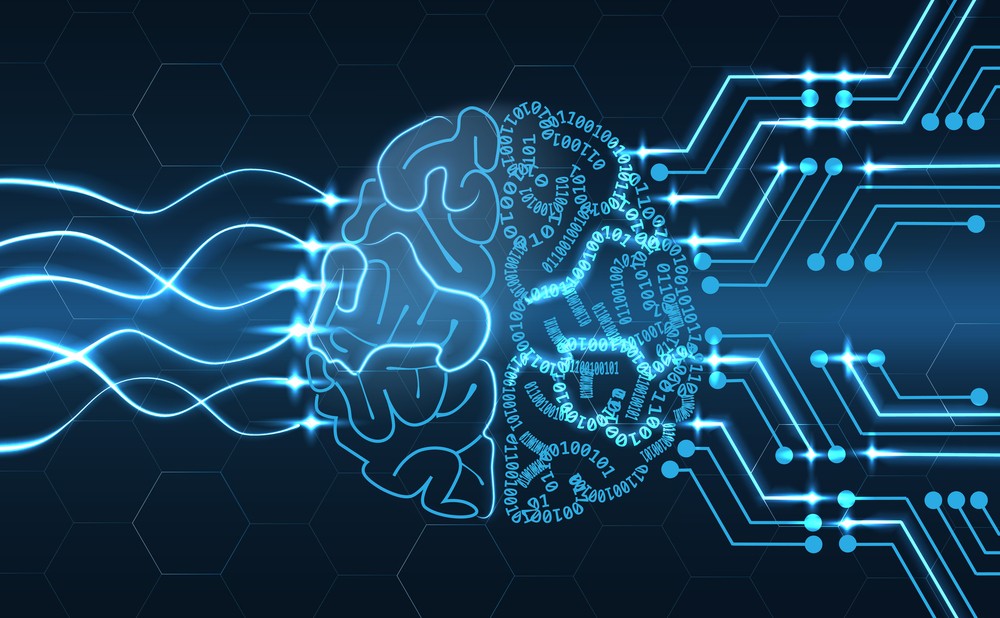
Artificial intelligence enhances these capabilities by enabling systems to understand and interpret information. Technologies such as natural language processing allow machines to process written or spoken language, while machine learning models analyze historical data to identify trends and patterns.
When these technologies work together, businesses can automate workflows that involve both structured and unstructured data. For example, an AI-powered system can extract information from invoices, verify the details against internal records, flag discrepancies, and route the document for approval, all within a single automated process.
This integration of automation and intelligence is what makes modern process automation far more powerful than earlier solutions.
Where Intelligent Automation Is Creating Impact
One of the reasons intelligent automation is gaining rapid adoption is its ability to support a wide variety of business functions.
Customer service is one area where automation is making a noticeable difference. AI-powered assistants can respond to common inquiries instantly, helping customers receive faster support while reducing the workload on service teams.
In finance departments, intelligent automation is simplifying tasks such as invoice processing, expense tracking, and financial reporting. By automatically extracting and validating information from documents, automation systems help reduce errors and speed up financial operations.
Human resources teams are also discovering the benefits of automation. Processes such as candidate screening, employee onboarding, and document management can be streamlined with intelligent systems that organize information and support decision-making.
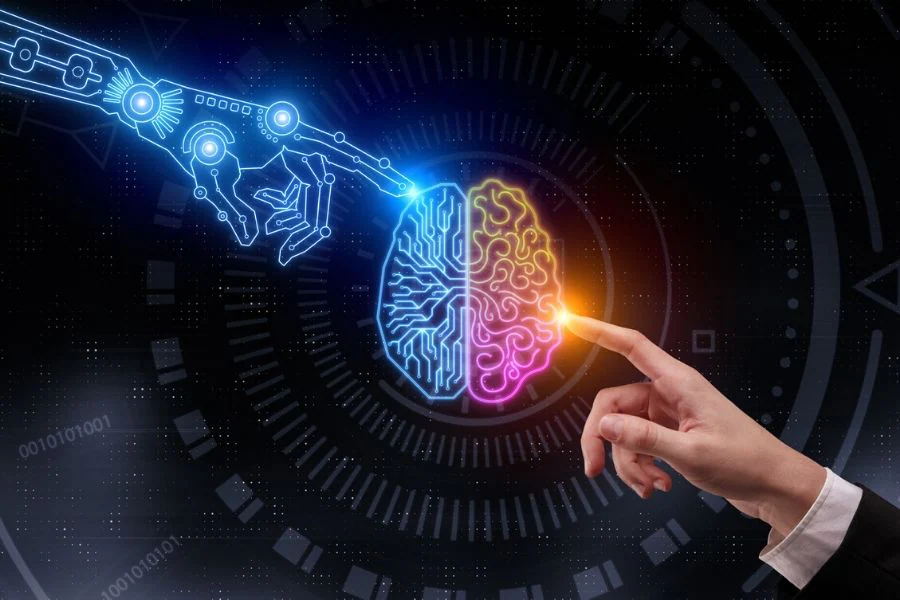
Across these and many other functions, the goal is not to replace human workers but to remove repetitive tasks so employees can focus on higher-value activities that require creativity, judgment, and strategic thinking.
Why Businesses Are Investing in Intelligent Automation
The growing interest in intelligent automation is driven by several factors.
First, organizations are under constant pressure to improve efficiency. Automation allows businesses to complete processes faster while maintaining consistency and accuracy.
Second, automation helps reduce operational costs by minimizing the need for manual work in repetitive tasks. Companies can allocate their workforce more strategically, focusing on innovation and problem-solving instead of routine activities.
Another major benefit is improved customer experience. Automated systems enable businesses to respond quickly to customer needs, provide personalized interactions, and maintain service availability around the clock.
Finally, intelligent automation gives organizations the ability to scale. As business demands increase, automation systems can handle larger workloads without requiring proportional increases in staff or infrastructure.
These advantages explain why intelligent automation is becoming a central part of modern business strategies.
Getting Started with Intelligent Automation
For many companies, the idea of implementing intelligent automation can feel overwhelming. The key is to begin with a clear understanding of existing processes and identify areas where automation can deliver immediate value.
Organizations often start by automating repetitive workflows that consume large amounts of employee time. Once these early projects demonstrate success, businesses gradually expand automation into more complex processes.
Another important step is ensuring that employees understand how automation supports their work. When automation tools are introduced as collaborative systems rather than replacements for human effort, teams are far more likely to adopt them successfully.
Over time, organizations can build a broader automation ecosystem that connects multiple systems, workflows, and data sources.
Wrapping Up
The journey from simple automation to intelligent automation reflects a broader transformation in how businesses approach technology. What began as a way to automate repetitive tasks has evolved into a powerful framework for improving productivity, enhancing decision-making, and enabling innovation.
However, implementing intelligent automation successfully requires the right strategy and expertise. Organizations must identify meaningful use cases, integrate automation with existing systems, and ensure that technology works seamlessly alongside human teams.
Neura Dynamics helps businesses turn automation opportunities into practical solutions. By combining expertise in AI, automation technologies, and digital product development, Neura Dynamics works closely with organizations to design intelligent systems that simplify complex processes and unlock new efficiencies.
For companies looking to move beyond traditional automation and embrace AI-driven workflows, the journey doesn’t have to be complicated. With the right guidance and a clear vision, intelligent automation can become a powerful catalyst for growth, innovation, and long-term success.
